Need garage door repair in Old Westbury?
- Clear steps before you pick up a phone
- Providers in our network do the work
- Repair, new doors, and spring work
- Request an estimate with no obligation
No obligation
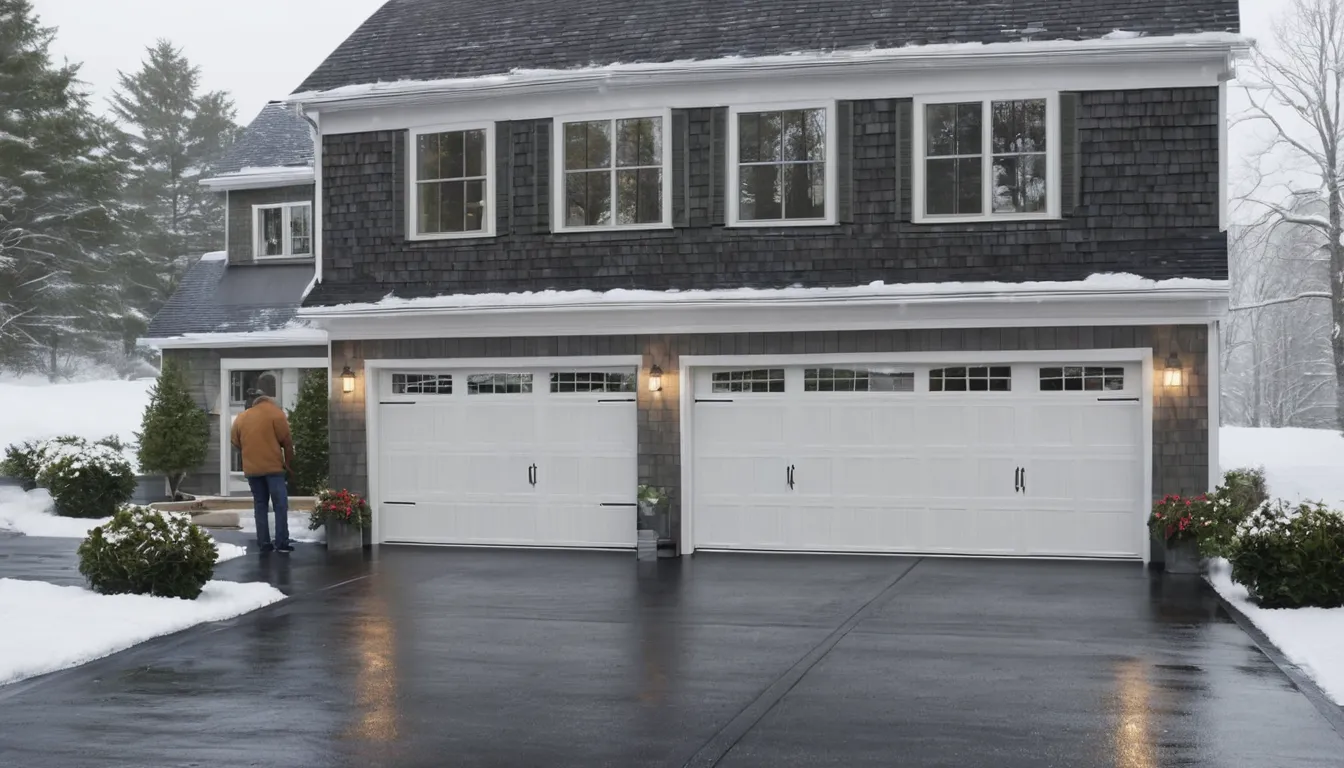
A garage door problem usually starts small. A scrape, a shudder, a door that sits a bit crooked. Then one cold morning it won't move at all. This page walks you through what happens as time passes, so you can act at the right moment.
Interviewswelcome Garage Doors is a referral service. We don't do the repair work. We connect homeowners in the Old Westbury area with independent local providers who fix springs, tracks, cables, rollers and openers. You'll learn which checks are safe to do yourself, what the job may cost, and how to compare providers before you say yes.
Stop pressing the button. Step back and look at the door. Look, don't lift. A door that won't move can still hold a lot of stored force.
Here is what you can safely do in the first few minutes:
The big spring above the door, the cables on each side and the brackets that hold them are under heavy tension. Don't loosen, tighten or unwind them. One slipped tool can cause a serious injury. The same goes for a door that hangs crooked or has a bent panel. Leave it shut and let a provider take over.
Request a callback to check provider availability and describe what you see.
A door with a broken spring or a loose cable gets worse each time it moves. The opener motor tries to lift weight it was never built to carry. Gears strip. Cables fray. A door stuck open leaves your garage exposed to wet snow, wind and anyone walking by. A door stuck shut can trap your car.
Some providers offer emergency garage service, but availability varies. Ask when you reach one, and don't assume.
Small damage spreads. A roller that jumped the track bends the track edge. A frayed cable snaps and drops one side of the door. Melting snow sits in the track and starts rust.
If the bottom seal is stuck to the floor with ice, don't yank the door. Pulling tears the rubber and can crack a panel. Chip loose ice away with a plastic scraper and leave the rest to thaw.
A noise you ignore becomes loose hardware. Loose hardware becomes a bent track or a cracked panel. Many older homes, Cape Cod style houses and multi-family buildings have living space right beside or above the garage. A half-working door lets cold air creep into those rooms.
Check the timeline. The longer a problem sits, the more parts it touches.
Most calls to providers fall into a short list:
Good track alignment keeps the door moving straight. Close the door, then look along each track. You want a smooth line, with no dents, no gaps and no rubbing marks.
Wipe the tracks clean with a rag. Check for loose bolts on the brackets. If a bolt is just loose, note it for the provider. If a track is bent, a roller is out or the door hangs crooked, stop there. Forcing it back can twist the whole door.
Springs wear out by cycles, not by age alone. Each open and close uses up a little life. Cold snaps make worn metal more brittle.
Signs of trouble: a visible gap in the spring, a loud bang from the garage, a door that feels very heavy, or an opener that strains and stops. Garage door spring repair is a provider job. The tools, the winding bars and the training matter here. Providers often replace springs in pairs so the door stays balanced.
Start simple. Swap the remote battery. Check the outlet and the wall button. Look at the sensors. If the opener hums but the door stays put, a spring or cable may be the real problem.
A new garage door opener may make sense when the motor is old, the gears are stripped, or repairs keep repeating. Ask about safety reverse, battery backup and quiet drive types.
A balanced door feels light and stays put when a provider lifts it halfway. An unbalanced door fights the opener every day. That wears the motor, the cables and the rollers. Checking balance takes the right tools and some care, so leave the test to a provider.
Repair is often enough when one part has failed. Think about replacing the door when several panels are cracked, rust has eaten the bottom sections, or repair bills keep stacking up. Ask the provider to explain both paths in writing, so you can compare.
A few hands-on habits go a long way:
Ask for a written quote that lists parts and labor. Ask whether the provider carries their own license and insurance where your state requires it. Ask about warranty terms on parts and work. Be careful with any quote given sight unseen for a job nobody has looked at.
Interviewswelcome Garage Doors only makes the introduction. The provider you pick sets the price and does the work.
Providers replace worn or broken springs and frayed cables with the right parts for your door.
Bent tracks, loose brackets and worn rollers get straightened, tightened or swapped so the door glides again.
Providers check motors, gears, remotes and sensors, and can talk through a new opener if needed.
Dented panels, cracked sections and torn bottom seals can be fixed to keep weather out.
Prices below are typical U.S. ranges. Your job may land above or below them, depending on door size, parts, hardware and local rates. Ask each provider for a written quote that splits out parts and labor before work begins.
| Item | Typical range | Notes |
|---|---|---|
| Service visit and diagnosis | $60 – $150 | Often applied toward the repair if you proceed |
| Spring replacement | $200 – $450 | Price depends on spring type and size |
| Cable or roller replacement | $100 – $350 | Rollers cost less than cables |
| Off-track door repair | $125 – $400 | Bent tracks cost more to fix |
| Opener repair | $100 – $350 | Parts and motor type matter |
| New opener, installed | $300 – $700 | Belt and chain drives differ in price |
Unplug the opener, keep the door closed if you can, and keep people and pets away from it.
Jot down noises, gaps, crooked spots and any bangs, so the provider can plan the right parts.
Request a callback to check provider availability, or send the request form and wait for a reply.
Review the written quote, ask questions, then choose the provider you want to do the work.
You learn which checks you can do with a rag and a flashlight, and which jobs need a provider's tools.
Knowing what happens in the first hours, days and weeks helps you decide when waiting costs more.
The providers in our network are separate businesses that serve homeowners in your area and do the actual work.
You see typical ranges up front and are encouraged to get a written quote before saying yes.
It's not a safe do-it-yourself job. Springs hold a lot of tension, and a slipped tool can cause a serious injury. Stop at the spring, keep the door closed, and ask a local provider to handle it.
Often a dirty or misaligned sensor, an object in the path, or a limit setting is to blame. Wipe the sensors and clear the path. If it still fails, ask a provider.
Some policies may cover sudden damage, such as storm or impact damage, but wear and tear usually isn't included. Check your policy. Providers can often help document damage for a claim.
Door stuck, noisy, or hanging crooked? Request a callback or send a request, and a local provider in our network can follow up.
No obligation